
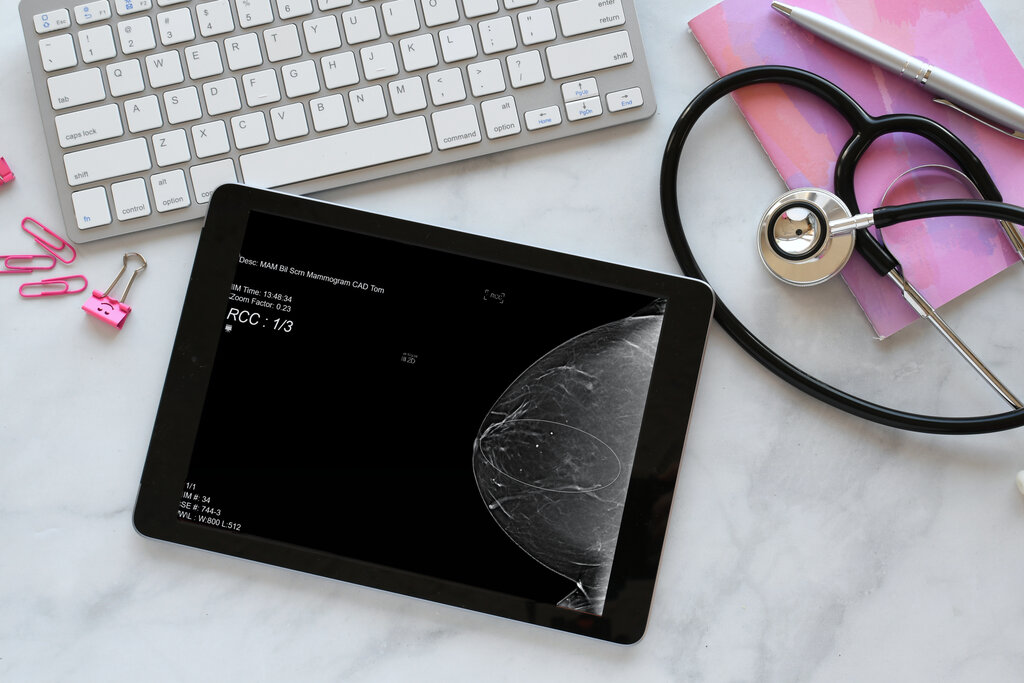
If you have ever searched “how often should you get a mammogram”, it doesn’t take long to see that the answer is not always straightforward. Depending on the guideline and your personal risk factors, screening may be recommended yearly or every other year starting at age 40.
Mammograms remain one of the most effective tools for detecting breast cancer early, often before symptoms appear. Early detection can often lead to more treatment options and better long-term outcomes, which is why proactive screenings are so important.
In this guide, we break down how often you should get a mammogram based on your age, health history, and genetic risk factors.
Understanding Mammogram Screening Guidelines
Routine mammograms are designed to look for breast changes before symptoms develop. Different medical organizations review screening research differently, which is why recommendations can vary from one source to another.
Most guidelines agree on one major point: consistent screening plays an important role in early detection and long-term preventive care.
| Organization | Starting Age | Frequency |
|---|---|---|
|
USPSTF |
40 |
Every 2 years until 74 |
|
American Cancer Society |
40 to 44 optional, 45 recommended |
Every year until 55+, move to every 2 years or continue yearly, as long as in good health with about 10+ year life expectancy. |
|
American College of Radiology |
40 |
Every Year |
Many women coordinate mammograms with their annual physical exam to consolidate routine screenings. You may also consider adopting other long-term wellness habits, such as maintaining a balanced diet.
What Is a Screening Mammogram?
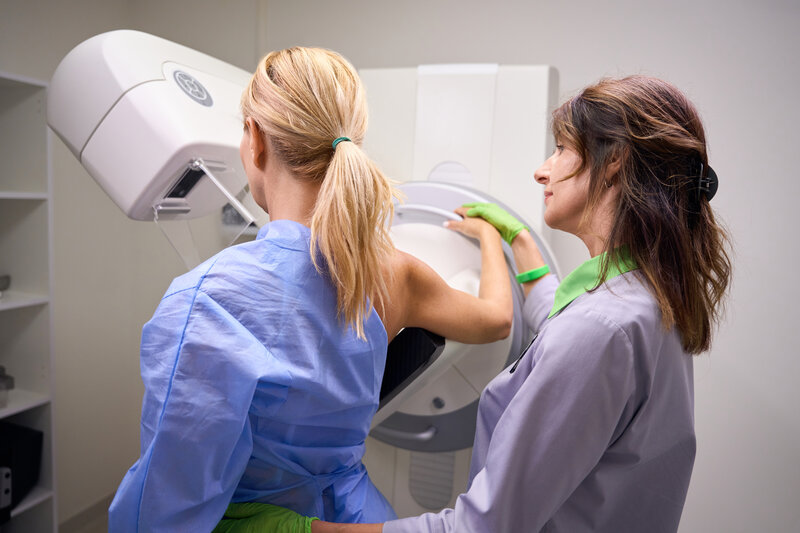
A screening mammogram is a low-dose X-ray used to look for signs of breast cancer before symptoms appear. These screenings can sometimes detect abnormalities years before a lump or other physical changes become noticeable.
Diagnostic mammograms are used differently because they focus on evaluating existing concerns, such as breast pain, nipple discharge, or a suspicious lump.
Most mammogram appointments often take less than 30 minutes. While some women worry about discomfort, many find the process easier once they know what to expect. The National Cancer Institute also notes that mammograms remain one of the most effective tools available for early breast cancer detection.
Major Guideline Organizations
Several organizations help shape breast cancer screening recommendations in the United States, including the U.S. Preventive Services Task Force (USPSTF) and the American Cancer Society
The differences between their recommendations usually come down to how they evaluate:
- Breast cancer risk by age
- Screening benefits
- False positives
- Overdiagnosis concerns
For many women, choosing a screening schedule is less about picking one organization over another and more about understanding personal risk factors with guidance from a healthcare provider.
Mammogram Schedule by Age Group
Age is one of the biggest factors used to determine how often routine mammograms are recommended. Most screening guidelines follow similar age-based patterns:
Before Age 40 (Ages 35-39)
Most women at average risk do not need routine mammograms before age 40, although this is often when more conversations about breast health and hormonal imbalance symptoms start to arise during routine wellness visits.
Earlier screening may be recommended for women with a strong family history of breast cancer, BRCA1 or BRCA2 gene mutations, previous chest radiation treatment, or abnormal breast imaging results.
Ages 40-49: Starting Screening
Questions about how often you should get a mammogram at 40 are common because recommendations can vary between organizations. The USPSTF recommends screening every other year starting at 40 for women at average risk, while the American Cancer Society recommends yearly mammograms beginning at age 45, with the option to start earlier.
Current guidelines generally recommend:
- Screening every 1-2 years starting at 40
- Yearly mammograms beginning at 45 for many women
- More frequent imaging for higher-risk patients
Women with dense breast tissue, elevated family risk, genetic mutations, or previous abnormal imaging may also benefit from closer monitoring during this decade.
Ages 50-74: Peak Screening Years
This age range has the strongest research supporting regular mammogram screening. Most women continue screening yearly or every other year, although breast density, health history, and previous imaging results may affect their schedules.
Many women also start reevaluating their screening schedule during this stage of life as menopause, Medicare coverage, and other health changes begin shaping their overall preventive care routine.
Ages 75+: Individualized Decisions
There is no set age at which you automatically need to stop getting mammograms. For many women, the decision comes down to overall health, medical history, and whether continued screening still makes sense for their lifestyle and long-term care goals.
Talk with your provider about past imaging results, current health concerns, and comfort with continued screening to develop an effective mammogram routine.
Special Circumstances That Change Frequency
Certain risk factors can increase breast cancer risk or make abnormalities harder to detect, changing how often you should get a mammogram.
Family History and Genetic Risk
If breast or ovarian cancer runs in your family, your provider may recommend starting screening earlier or more frequently. Some may also benefit from genetic testing to evaluate BRCA1 or BRCA2 mutations linked to higher breast cancer risk.
Depending on your history, your screening plan could include:
- Earlier annual mammograms
- Supplemental MRI imaging
- Closer monitoring between appointments
Even if you have never had an abnormal mammogram, discussing family history during routine visits can help make sure your screening schedule reflects your personal risk factors.
Personal History of Breast Cancer
After a breast cancer diagnosis and breast-conserving surgery, mammograms are often done about 6-12 months after surgery and radiation. From there, they will be scheduled annually. Your care team may recommend a different schedule based on your treatment.
Because recovery and long-term monitoring can look different for everyone, staying connected with your care team can help make future screening decisions feel less overwhelming.
Dense Breast Tissue Considerations
Having dense breast tissue is very common, but it can make mammogram images harder to interpret because the tissue and tumors can appear similar on imaging.
Depending on your breast density and personal risk factors, your provider may discuss whether supplemental imaging, such as ultrasound or MRI, makes sense for you.
Coordinating with Other Screenings
Scheduling mammograms alongside wellness visits or Pap smears can make planning feel more manageable and help reduce long gaps between screenings, especially if you use scheduling resources to stay organized throughout the year.
Creating a Preventive Care Schedule
It is easy for preventive care appointments to sneak up on you once mammograms, annual exams, and other screenings all start landing around the same time each year. Develop a consistent routine to make appointments feel less stressful and to avoid long gaps between screenings.
Insurance Coverage and Timing
Most insurance plans are required to cover routine mammograms starting at age 40 under Affordable Care Act preventive care guidelines. Medicare covers screening mammograms once every 12 months for women aged 40 and older, while diagnostic mammograms may be covered more often when medically necessary.
Not sure what your insurance covers or when your next mammogram should be scheduled? Talk with your provider ahead of time to avoid surprises later.
Common Mammogram Scheduling Mistakes
Even women who stay fairly consistent with preventive care can accidentally fall behind on mammogram screening. Especially when recommendations change, or appointments get delayed during life’s busy seasons.
- Timing and Consistency Errors:
Waiting too long between screenings can make it harder for providers to compare imaging changes over time. Scheduling delays also become more common during major life transitions such as retirement. - Risk Assessment Oversights:
Assuming the same screening schedule works for everyone can lead to missed risk factors. Family history, dense breast tissue, and previous abnormal imaging may all affect how often mammograms are recommended.
Keeping your provider updated about family history changes or new breast health concerns will ensure sure your screening schedule continues to reflect your current needs.
Frequently Asked Questions
Can I get a mammogram every year starting at 40?
Yes. Many women begin yearly mammograms at 40, and most insurance plans cover annual screening starting at that age. Your provider can help determine whether yearly or every-other-year screening makes the most sense based on your health history and risk factors.
When should I stop getting mammograms?
There is no single age at which mammograms automatically stop. Many women continue routine screening well into their 70s and beyond, depending on their overall health and comfort with ongoing preventive care.
Do I need mammograms more often if I have dense breasts?
Not necessarily, but dense breast tissue can sometimes lead providers to recommend additional imaging like ultrasound or MRI screening alongside routine mammograms.
How often should I get mammograms after breast cancer?
Follow-up imaging after breast cancer treatment is usually scheduled every 6-12 months at first before eventually transitioning back to annual monitoring.
Can I get a mammogram and Pap smear the same day?
In many cases, yes. Scheduling preventive screenings during the same visit often makes appointments easier to manage and helps you stay more consistent with routine care.
Looking to Schedule a Mammogram Screening?
In many cases, yes. Scheduling preventive screenings during the same visit often makes appointments easier to manage and helps you stay more consistent with routine care.
Whether you are preparing for your first mammogram or trying to stay more consistent with preventive care, understanding your personal risk factors can help make screening decisions feel more manageable.
At HealthyU Clinics, we help patients navigate breast cancer screening recommendations and preventive care planning with guidance tailored to their individual needs. Screening mammograms are currently available at our Gilbert clinic at 1760 E. Pecos Rd., Suite 215, Gilbert, AZ 85295. If you have questions about when to schedule your next mammogram, our team is here to help.
Disclaimer: Any advice or information shared on our blog, website, or other online communication forum is intended for informational purposes only and is not to be considered a substitute for any professional medical advice or other advice. HealthyU Clinics does not make any representations or warranties and expressly disclaims all liability regarding any treatment, action, or effect on any person based on the general information provided through our blog, website, or other online communication forum. For specific concerns or if you need medical advice, please contact HealthyU Clinics to schedule an appointment with a qualified medical professional.