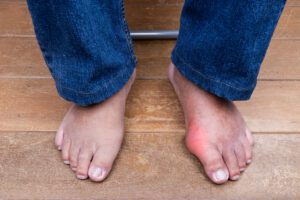

You get out of bed, take a step, and feel a sharp heel pain. If this sounds familiar, you may be dealing with plantar fasciitis, a common condition that causes pain in the bottom of the heel and foot, especially when you take those first steps after periods of sitting or sleeping.
But don’t worry, while it can be uncomfortable, plantar fasciitis is treatable, and most people find relief with simple, conservative care.
If you’re wondering what plantar fasciitis feels like and how to identify it, this guide breaks down the symptoms and what to expect.
Table of Contents
What Is Plantar Fasciitis?
Plantar fasciitis is the inflammation of the plantar fascia, a thick band of tissue that stretches from your heel to your toes. When it becomes irritated or develops tiny tears, it causes pain in the bottom of your foot. The condition is common, especially in people who spend long hours on their feet or engage in high-impact activities.
Over time, the inflammation can cause intense pain, especially when standing up after rest. While frustrating, this condition is manageable with the right care.
What Does the Pain Actually Feel Like?
If you’re wondering, “What does plantar fasciitis feel like?” the pain can vary, but there are common symptoms that most people experience. Here’s a closer look at what you might feel:
Sharp, Stabbing Heel Pain
The most common sensation with plantar fasciitis is a sharp, stabbing pain in the bottom of your heel. It’s often described as feeling like stepping on a rock or being poked with a needle. The pain worsens when you put pressure on the heel after sitting for a while.
Worst with the First Steps in the Morning
Another common characteristic of plantar fasciitis is that the pain hits hardest when you take your first steps in the morning. After a night of rest, your plantar fascia tightens, and as you stand up, the tissue stretches, causing intense pain. The pain usually improves as you move around, but it can return after sitting or standing for prolonged periods.
Pain After Sitting or Resting
If you’ve been sitting at work or relaxing at home for a while, getting up to walk can trigger that sharp, “start-up pain.” This sudden pain occurs after the fascia has been inactive for a while, often making people feel as if they’re “walking on glass.”
Pain That Improves With Movement (Then Returns)
Sometimes, the pain lessens as you walk, only to return after prolonged physical activity. This temporary relief pattern is typical of plantar fasciitis. You may find that after a few hours on your feet, the pain becomes worse again, especially after a long day.
Burning or Aching Sensation (Less Common)
Though not as common as “stabbing” pain, some people experience a “burning” pain in the arch of the foot. If your foot arch pain is accompanied by tingling or numbness, it could be a symptom of another condition, such as nerve pain. It’s a good idea to talk with a podiatrist to get a clear diagnosis, especially since not all heel pain is caused by plantar fasciitis.
What It Doesn’t Usually Feel Like
Plantar fasciitis can sometimes be confused with other foot conditions that cause similar pain. Here’s how to tell the difference:
- Achilles tendonitis:
Plantar fasciitis is usually characterized by pain at the bottom of the heel, while Achilles tendonitis affects the back of the heel, near the tendon. - Nerve pain:
If you’re feeling tingling, numbness, or a burning sensation, it could be due to a nerve issue rather than plantar fasciitis. - Stress fracture:
Unlike plantar fasciitis, which causes pain that comes and goes, a stress fracture usually results in constant, deep foot pain.
Where Is Plantar Fasciitis Pain Located?
Unlike Achilles tendonitis, characterized by pain in the back of the heel, the pain caused by plantar fasciitis is typically felt at the bottom of the heel and sometimes in the arch of the foot. The sensation is usually localized and does not spread up the leg, but it can feel sharp when pressure is applied.
What Makes Plantar Fasciitis Feel Worse?
There are a few key activities and conditions that can trigger a flare-up of plantar fasciitis pain. Knowing these triggers ahead of time can help you to better manage the pain and stop it from getting worse.
- Standing for long hours:
Spending extended periods on your feet without rest can strain the plantar fascia and worsen the pain. - Walking barefoot on hard surfaces:
Going barefoot, especially on hard floors, can add pressure to your feet, making the pain more noticeable. - High-impact activities like running:
Running or jumping can be tough on your feet. The constant impact stresses the plantar fascia, leading to more pain. - Tight calves or hamstrings:
When your lower leg muscles are tight, they can mess with your walking style, putting more pressure on your feet and worsening the pain. - Wearing improper footwear:
Shoes that lack adequate arch support or cushioning make it harder for your feet to absorb the shock of walking or standing, resulting in the pain intensifying.
How Long Does the Pain Last?
While plantar fasciitis pain can last for months if left untreated, most people see significant symptom improvement with simple, conservative treatments. In fact, around 80–90% of people find relief with stretching exercises, rest, and the right shoes.
When Should You See a Podiatrist?
With the right care, most people with plantar fasciitis recover fully without surgery. But if you don’t address it, the pain can stick around—and may even worsen.
If you’re dealing with ongoing pain or you’re not sure what’s causing it, it’s important to get it checked out. Heel pain isn’t always plantar fasciitis, and an accurate diagnosis helps make sure you’re not treating the wrong condition. Schedule an appointment with the podiatry team at HealthyU Clinics, and we’ll help you get a clear answer and next steps.
Quick Self-Check: Does This Sound Like Your Heel Pain?
Answer the following questions to see if your symptoms align with plantar fasciitis:
- Do you feel sharp heel pain, especially in the morning?
- Is your pain worse after long periods of sitting or standing?
- Does the pain improve with movement but return after standing for a while?
- Is the pain focused at the bottom of your heel or arch?
- Do you experience pain after physical activity?
If you answered “yes” to most of these questions, it’s a good idea to see a podiatrist for an accurate diagnosis. Heel pain can have a few different causes, so confirming what’s actually going on with an expert is the best first step toward real relief.
At HealthyU, we specialize in helping people just like you find relief from heel pain and get back to doing what they love. Our team is dedicated to providing personalized care that fits your needs. If you are in Arizona, our podiatry team is ready to help you take the first steps toward feeling better.
Find a HealthyU provider near you and book an appointment. Our team is here to guide you on the path to a healthier, pain-free you.
FAQs
Can plantar fasciitis feel like a bruise?
Yes, it can. Some people describe it as feeling like a bruise, especially when you press on the bottom of the heel.
Can it affect both feet?
It can. While it’s more common in one foot, plantar fasciitis can affect both feet at the same time.
Why does my heel hurt more in the morning?
The pain tends to be worse in the morning because your plantar fascia tightens up overnight. When you take your first steps, it stretches out, resulting in that sharp pain.
Does plantar fasciitis cause swelling?
Swelling is not a common symptom of plantar fasciitis. If you notice swelling, it could be a sign of something else and might be worth seeking a professional diagnosis.
Can shoes make it worse?
Yes, shoes that don’t offer good arch support or cushioning can make the pain worse, as they put more pressure on your feet.
Is it constant pain or only when walking?
The pain isn’t constant. It tends to flare up during specific activities, such as walking or standing after sitting for a while.
Can plantar fasciitis feel like nerve pain?
While it’s not typical, some people experience a burning or tingling sensation that can be similar to nerve pain. If that’s the case, it might be a different issue, so it’s a good idea to talk to a specialist and get a clear diagnosis.
What happens if you ignore plantar fasciitis?
If you ignore it, the pain could interfere with walking or standing comfortably. Catching it early means a better chance of getting back on your feet without long-term problems.
This blog is brought to you by HealthyU Clinics, a leading provider of primary and specialty care services.
Any advice or information shared on our blog, website, or other online communication forum is intended for informational purposes only and is not be considered a substitute for any professional medical advice or other advice. HealthyU Clinics does not make any representations or warranties and expressly disclaim all liability regarding any treatment, action, or effect on any person based on the general information provided through our blog, website, or other online communication forum. For specific concerns, or if you need medical advice, please contact HealthyU Clinics to schedule an appointment with a qualified medical professional.