What Are Heart Palpitations?
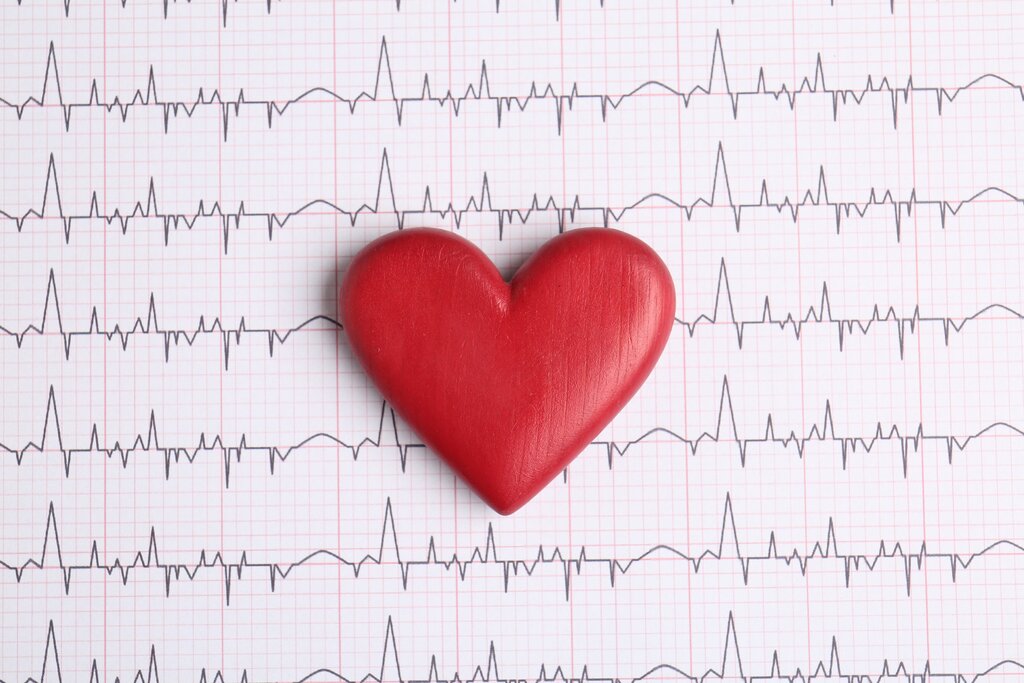
Heart palpitations are sensations that make you more aware of your heartbeat. Instead of your heart beating quietly in the background, you suddenly notice it.
People often describe palpitations as:
- Fluttering
- Pounding
- Racing
- Skipping or irregular beats
It can feel similar to when your heart jumps after a scare or speeds up during exercise, but palpitations can also happen when you’re resting, sitting at a desk, or lying in bed.
It’s important to know that heart palpitations are a symptom, not a diagnosis. They describe how your heartbeat feels, not necessarily what’s causing it.
Palpitations vs. Heart Attacks or Arrhythmias
Heart palpitations are not the same as a heart attack. A heart attack usually includes chest pressure, pain spreading to the arm or jaw, shortness of breath, or nausea. Palpitations alone do not automatically signal a heart emergency.
They are also different from diagnosed heart rhythm disorders, known as arrhythmias. While some arrhythmias can cause palpitations, many palpitations happen without an underlying heart condition.
Palpitations are often triggered by stress, exercise, medications, or stimulants and are usually not dangerous in otherwise healthy people.
Common Causes of Heart Palpitations
Heart palpitations can be triggered by a wide range of factors. Some are related to daily habits, while others are connected to medical or hormonal changes. Understanding these causes can help explain why palpitations may seem random or appear at certain times.
Lifestyle Factors
Lifestyle triggers are among the most common reasons people experience palpitations.
- Caffeine from coffee, tea, soda, or energy drinks can stimulate the heart.
- Nicotine increases heart rate and blood pressure.
- Stress or anxiety activates the body’s “fight or flight” response, which can speed up the heartbeat.
- Dehydration reduces blood volume, making the heart work harder.
- Poor sleep can disrupt normal heart rhythm regulation.
These triggers are often manageable once identified.
Hormonal Changes
Hormonal shifts can also affect how the heart beats.
- Pregnancy increases blood volume and heart workload.
- Menopause and perimenopause can cause palpitations due to fluctuating estrogen levels.
- Thyroid hormone imbalances may speed up or slow down the heart.
Hormonal-related palpitations are common and may come and go depending on changes in the body.
Medical Conditions
Certain health conditions can make palpitations more likely.
- Anemia, which reduces oxygen delivery to the heart.
- Low blood sugar, especially in people with diabetes.
- Heart rhythm conditions, such as atrial fibrillation.
- Fever or infections, which raise the heart rate.
- Low blood pressure or sudden position changes.
Not everyone with these conditions will experience palpitations, but they can contribute to symptoms in some people.
Medications or Substances
Some medications and substances may trigger palpitations as a side effect.
- Decongestants found in cold or allergy medicines.
- Asthma inhalers, especially when overused.
- Stimulant medications, including certain ADHD treatments.
- Pre-workout supplements or weight-loss products.
- Alcohol or recreational drugs.
If palpitations begin after starting a new medication, it’s important to discuss symptoms with a healthcare provider rather than stopping medication on your own.
Symptoms Checklist: What Do Heart Palpitations Feel Like?
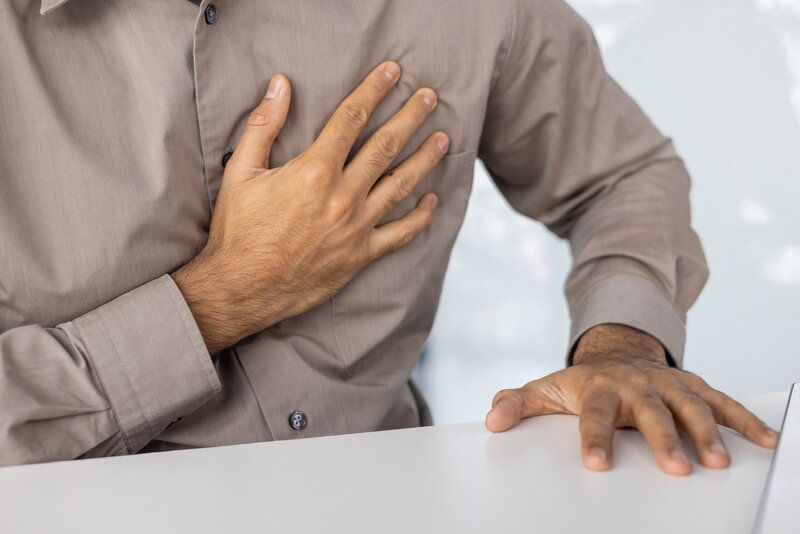
Heart palpitations can feel different from person to person. Some sensations are brief and barely noticeable, while others are more intense and distracting. Many people experience one or more of these symptoms occasionally, which can be completely normal.
Common symptoms include:
- A racing or fast heartbeat
- A fluttering or quivering sensation in the chest
- A feeling that your heart is skipping beats
- Pounding or forceful heartbeats
- Sensations felt in the chest, throat, or neck
- A brief feeling of lightheadedness or unease during episodes
Palpitations may happen during activity, after eating, during stressful moments, or even while resting. Random heart palpitations can feel alarming, but occasional episodes do not always signal a serious problem.
If symptoms become frequent, severe, or are accompanied by other concerning signs, medical evaluation is important.
7 Practical Ways to Stop or Reduce Heart Palpitations
If you’re wondering what stops heart palpitations, the answer often lies in addressing common triggers and supporting your nervous system. The strategies below focus on how to stop heart palpitations naturally or reduce their intensity when they occur.
1. Avoid Stimulants
Stimulants can speed up your heart rate and make palpitations more noticeable.
Try to limit or avoid:
- Coffee, tea, and energy drinks
- Nicotine products
- Pre-workout supplements
- Certain cold or allergy medications
If you notice palpitations after consuming caffeine or stimulants, cutting back gradually rather than all at once may help reduce symptoms.
2. Manage Your Stress Levels
Stress and anxiety activate hormones that can cause your heart to beat faster or irregularly.
Helpful stress-reduction techniques include:
- Slow, deep breathing exercises
- Meditation or mindfulness practices
- Yoga or gentle stretching
- Progressive muscle relaxation
Even a few minutes of focused breathing can help calm your nervous system and slow your heart rate during an episode.
3, Stay Hydrated & Replenish Electrolytes
Dehydration is a common but overlooked trigger for heart palpitations. When fluid levels drop, the heart works harder to circulate blood.
Helpful hydration tips include:
- Drinking water consistently throughout the day
- Increasing fluid intake during exercise or hot weather
- Eating foods rich in potassium and magnesium, such as leafy greens, bananas, nuts, and legumes
Some people search for what vitamins stop heart palpitations, but supplements are not a universal solution. While electrolyte imbalances can contribute to palpitations, supplementation should only be considered after evaluation by a healthcare provider. Blood tests may be needed to determine whether low levels are present and whether supplementation is appropriate.
4. Practice Mind-Body Techniques
Mind-body techniques can sometimes help regulate heart rhythm by stimulating the vagus nerve, which plays a role in heart rate control.
Examples include:
- Gentle coughing
- Splashing cold water on your face
- The Valsalva maneuver (bearing down as if having a bowel movement)
These techniques should be used cautiously and only if recommended by a healthcare provider, especially if palpitations are frequent or intense.
5. Exercise Regularly
Regular physical activity supports overall heart health and helps regulate your heart rate over time.
Benefits of moderate exercise include:
- Improved circulation
- Better stress management
- Stronger heart muscle efficiency
Activities like walking, swimming, or cycling can be effective. If palpitations occur during exercise, it’s important to stop and consult a healthcare provider before continuing.
6. Prioritize Your Sleeping Routine
Poor sleep can disrupt hormones and increase stress levels, making palpitations more likely.
Helpful sleep habits include:
- Limiting screen time before bed
- Avoiding caffeine late in the day
- Creating a calm sleep environment
- Keeping a consistent bedtime and wake-up schedule
Quality sleep supports heart rhythm stability and overall cardiovascular health.
7. Know Your Triggers
Tracking when palpitations occur can help identify patterns and prevent future episodes.
Consider noting:
- Foods or drinks consumed
- Stress levels or emotional events
- Physical activity
- Sleep quality
- Medications or supplements
This can be especially helpful if you experience heart palpitations after eating or notice symptoms during specific situations.
When Should I See a Doctor?
While most heart palpitations are harmless, there are situations where medical evaluation is important. Seeing a healthcare provider can help rule out underlying heart conditions and provide peace of mind.
- Seek medical care if heart palpitations are:
- Frequent or worsening over time
- Lasting longer than a few minutes
- Accompanied by chest pain or pressure
- Paired with shortness of breath
- Associated with dizziness, fainting, or near-fainting
- Occurring alongside a known heart condition
Palpitations that appear suddenly and feel different from past episodes should also be evaluated. A clinician may recommend tests such as an EKG, heart monitor, or blood work to identify potential causes.
If ongoing symptoms are interfering with daily life, connecting with a cardiology specialist can help clarify what’s happening and guide appropriate care. At HealthyU Clinics, we offer cardiology services across multiple locations. Contact us today for a heart evaluation for concerning palpitations.
Understanding and Managing Heart Palpitations
If you’re searching for how to stop heart palpitations, it helps to know that many episodes are linked to everyday triggers like stress, dehydration, or caffeine rather than a serious heart condition.
Still, it’s important to listen to your body. Persistent or unusual palpitations deserve medical attention to rule out underlying heart conditions and ensure your long-term health.
If you’re experiencing frequent heart palpitations or want clarity about your symptoms, our cardiology team at HealthyU Clinics can help. You can explore available clinicians or connect with a nearby location in Arizona or Massachusetts.
Frequently Asked Questions
When should I worry about heart palpitations?
You should be concerned if palpitations are persistent, severe, or occur alongside symptoms like chest pain, fainting, or shortness of breath. Occasional palpitations without other symptoms are often benign, but ongoing episodes should be discussed with a provider.
Are heart palpitations dangerous?
In many cases, no. Heart palpitations are often caused by lifestyle factors such as stress, caffeine, or dehydration. However, some palpitations are linked to heart rhythm disorders, which is why evaluation is recommended if symptoms are frequent or concerning.
How long do heart palpitations last?
Palpitations can last anywhere from a few seconds to several minutes. Short, infrequent episodes are common. Longer-lasting or recurring palpitations may require further evaluation.
Are heart palpitations normal?
Yes, occasional palpitations can be normal and are experienced by many people at some point in their lives. They often happen during stress, exercise, or after consuming stimulants.
Can dehydration cause heart palpitations?
Yes. Dehydration can lower blood volume, forcing the heart to work harder and potentially triggering palpitations. Staying hydrated may help reduce episodes for some people.