What Are Bunions?
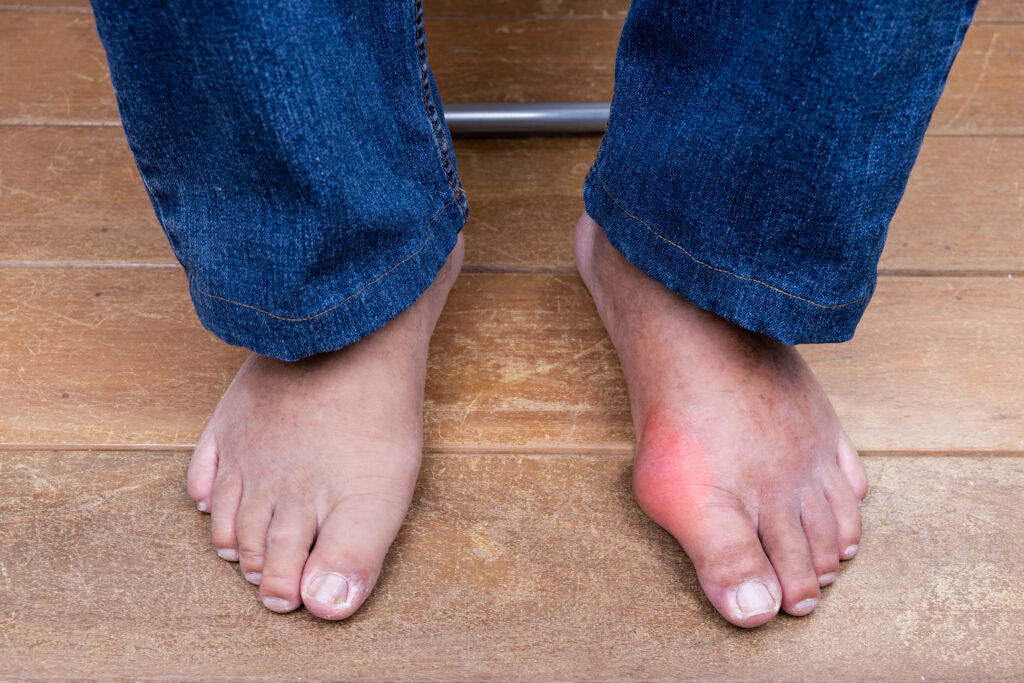
A bunion is a bony bump that forms at the base of the big toe, where the toe meets the foot. Medically, this condition is called hallux valgus. It happens when the big toe gradually shifts inward toward the other toes, forcing the joint at its base to stick out.
Think of it like this: instead of pointing straight ahead, the big toe slowly leans inward, pushing the joint outward. Over time, that outward pressure causes the joint to become enlarged, irritated, and sometimes painful.
Common Causes of Bunions
Bunions don’t appear overnight. They usually develop due to a combination of factors, including:
- Footwear pressure: Tight, narrow, or pointed shoes can squeeze the toes together and push the big toe out of alignment.
- Genetics: Some people inherit foot structures that make bunions more likely.
- Foot mechanics: Flat feet, low arches, or abnormal walking patterns can increase stress on the big toe joint.
- Joint conditions: Arthritis and other inflammatory joint issues may contribute to bunion development.
Although shoes are often blamed, footwear alone doesn’t cause bunions. However, shoes can worsen or speed up changes that are already happening in the foot.
Why Early Detection Matters
Bunions are a progressive condition, meaning they tend to worsen over time rather than improve on their own. In the early stages of a bunion, symptoms may be mild and easy to ignore.
You might notice occasional soreness or slight swelling that comes and goes. As the bunion advances, however, the joint can become more rigid, painful, and visibly misaligned.
Catching early bunion signs allows for conservative treatment that focuses on comfort, mobility, and slowing progression. This can help:
- Reduce ongoing pain and inflammation.
- Improve how you walk and distribute weight.
- Minimize friction and skin irritation.
- Lower the risk of joint stiffness and deformity.
- Delay or avoid the need for surgical treatment.
A helpful way to think about it is like dental care. Treating a small cavity early is much easier than waiting until it turns into a root canal. The same idea applies to bunions. Addressing the early stages of a bunion can help preserve joint health and keep symptoms manageable.
Ignoring early bunion symptoms may lead to increased discomfort, difficulty wearing shoes, and changes in how you move, which can also affect your knees, hips, and lower back over time.
Early Signs of Bunions to Watch For
Bunions often start subtly, which is why many people overlook the early warning signs. Recognizing early bunion symptoms can help you take action before the condition becomes more painful or begins to affect how you walk. Below are some of the most common early signs of bunions to watch for.
Pain or Tenderness
One of the earliest bunion signs is discomfort at the base of the big toe. This pain is usually centered around the joint where the toe meets the foot.
- The pain may feel mild at first and come and go.
- It often worsens after long periods of standing or walking.
- Tight or narrow shoes can increase soreness and pressure.
In the early stages of a bunion, pain may be easy to dismiss as simple foot fatigue. However, recurring tenderness in the same area can signal changes happening within the joint.
Swelling, Redness, Warmth
Inflammation is another common early bunion symptom. As the joint becomes irritated, you may notice visible changes in the skin around the big toe. These symptoms often worsen at the end of the day or after wearing shoes that crowd the toes.
Inflammation is the body’s response to stress in the joint and can be an early indicator that the bunion is progressing.
Changes in Toe Alignment or Movement
A key sign of the early stages of a bunion is a gradual shift in the position of the big toe. This change may be subtle at first and easier to feel than see.
- The big toe may begin leaning slightly toward the second toe.
- You may notice stiffness or reduced range of motion in the joint.
- Walking may feel different, especially during push-off.
As alignment changes, pressure on the joint increases. Over time, this can affect balance and contribute to discomfort in other parts of the foot.
Corns, Calluses & Friction Signs
Skin irritation can also be an early sign of bunion development. As the joint protrudes, it may rub against the inside of your shoe.
- Calluses may form on the side or bottom of the big toe.
- Corns can develop between toes due to increased pressure.
- Skin may feel rough, thickened, or tender.
These friction-related changes occur because the toe is no longer properly aligned within the shoe, and may indicate underlying structural changes in the foot.
Early Treatment Options For Bunions (Non‑Surgical)
Most early bunions can be managed at home with simple, non-surgical treatments. These approaches won’t reverse or remove a bunion, but they can help relieve discomfort, reduce inflammation, and slow progression over time. Treatment for early signs of bunions focuses on minimizing pressure on the joint and supporting proper foot mechanics.
Footwear Adjustments
Choosing the right shoes is one of the most effective ways to manage early bunion symptoms.
- Look for shoes with a wide toe box to reduce crowding.
- Avoid narrow, pointed, or tight-fitting styles.
- Choose low heels to limit pressure on the forefoot.
Supportive, well-fitting shoes will help reduce friction and irritation at the joint.
Supportive Orthotics & Padding
Orthotics and padding can help offload pressure and improve comfort during daily activities.
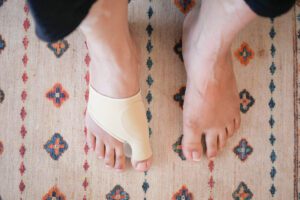
- Bunion pads cushion the joint and reduce shoe friction.
- Custom orthotics support proper foot alignment.
- Toe spacers may reduce pressure between toes for some people.
These options are especially helpful if you spend long hours standing or walking.
Ice, Rest & Self‑Care
Simple at-home care can help ease inflammation and discomfort caused by early signs of bunions.
- Apply ice to the affected area for 15 minutes after walking or standing.
- Elevate your foot when resting to reduce swelling.
- Avoid activities or shoes that worsen pain whenever possible.
Consistent self-care can help keep symptoms manageable and prevent flare-ups.
Medications for Pain & Inflammation
Over-the-counter medications may help relieve pain associated with bunions.
- Nonsteroidal anti-inflammatory drugs (NSAIDs), such as ibuprofen, can reduce pain and swelling.
- Topical anti-inflammatory creams may also provide temporary relief.
Always consult your doctor before starting any medication, especially if you have underlying health conditions or take other prescriptions.
When to See a Doctor for Bunion Treatment
While early bunions can often be managed at home, some symptoms indicate it’s time for a medical evaluation. Seeing a provider early can help confirm the diagnosis and guide appropriate treatment.
You should consider scheduling an appointment if you experience:
- Persistent pain that doesn’t improve with footwear changes
- Increasing swelling or visible deformity
- Stiffness or reduced motion in the big toe joint
- Difficulty walking or maintaining balance
- Skin irritation that becomes painful or infected
A podiatry exam can help determine the severity of the bunion and identify contributing factors such as foot structure or gait issues.
At HealthyU Clinics, we help patients in Arizona understand what’s causing their foot pain and guide them through early bunion treatment options. Our podiatry services are available across multiple locations, and you can explore our providers to find care that fits your needs.
Lifestyle Habits to Help Prevent Bunion Growth
While bunions can’t always be prevented, especially if genetics or foot structure play a role, certain daily habits can help slow progression and reduce discomfort. If you’re noticing early signs of bunions, small changes now may help protect your joint health long term.
Here are a few practical steps you can take:
- Choose supportive footwear: Shoes with a wide toe box and proper arch support reduce pressure on the big toe joint and allow your foot to move more naturally.
- Avoid prolonged use of tight shoes: Even occasional wear of narrow or pointed shoes can increase irritation and worsen early bunion signs.
- Stretch and strengthen your feet: Gentle toe stretches and foot exercises may help maintain mobility and reduce stiffness in the joints.
- Pay attention to pressure points: If you notice recurring redness or calluses, it may be a sign that your shoes or walking pattern needs adjustment.
- Listen to early discomfort: Mild pain is often the body’s first signal that something isn’t right. Addressing symptoms early can help slow bunion growth.
Taking these steps doesn’t require major lifestyle changes, but consistency can make a meaningful difference over time. If you’d like more information or support in managing early bunion signs, a podiatry provider at HealthyU Clinics can answer your questions and guide your care.
Frequently Asked Questions (FAQs)
Can bunions go away on their own?
Bunions do not typically go away without treatment. Because they are caused by structural changes in the foot, they tend to progress over time. Early treatment can help manage pain and slow worsening, but it won’t eliminate the bunion entirely.
Can bunions be corrected without surgery?
Non-surgical treatments can help relieve pain, reduce inflammation, and slow progression, especially in the early stages of a bunion. Surgery is usually considered only when symptoms significantly interfere with daily activities and conservative care is no longer effective.
How can I tell if my shoes are making my bunions worse?
If your shoes cause pain, redness, numbness, or increased swelling around the big toe joint, they may be contributing to bunion irritation. Narrow toe boxes, stiff materials, and high heels often increase pressure on the joint and worsen symptoms.
What can be mistaken for a bunion?
Several conditions can look or feel similar to a bunion, including arthritis, gout, bursitis, or soft tissue swelling near the joint. A proper medical exam is the best way to confirm the cause of symptoms.
At what age do bunions usually start?
Bunions can develop at almost any age. Some people notice early bunion symptoms in adolescence, while others develop them later in adulthood. Risk increases with certain foot structures, footwear habits, and family history.
Are bunions hereditary?
Yes, bunions often run in families. Inherited foot structure, joint shape, and walking patterns can increase the likelihood of developing bunions over time.
This blog is brought to you by HealthyU Clinics, a leading provider of primary and specialty care services.
Any advice or information shared on our blog, website, or other online communication forum is intended for informational purposes only and is not be considered a substitute for any professional medical advice or other advice. HealthyU Clinics does not make any representations or warranties and expressly disclaim all liability regarding any treatment, action, or effect on any person based on the general information provided through our blog, website, or other online communication forum. For specific concerns, or if you need medical advice, please contact HealthyU Clinics to schedule an appointment with a qualified medical professional.