You just got your latest blood work results, and your doctor mentions that your high-density lipoprotein (HDL) cholesterol levels could use a boost. Don’t worry–there are several lifestyle changes that help improve your HDL (‘good’) cholesterol, although factors like genetics and overall health also play a role.
Unlike LDL (the “bad” cholesterol), HDL helps remove excess cholesterol from the bloodstream, protecting your arteries from plaque buildup. By adopting just a few simple heart-healthy habits, you can significantly improve your cholesterol profile and overall heart health.
In this guide, we explain how to increase HDL cholesterol using six proven methods—and why it matters.
Table of Contents
1. Get Consistent Aerobic Exercise
Research shows that regular, moderate-intensity aerobic activity can raise your HDL levels over time. And you don’t need to become a marathon runner—what matters most is consistency. Aim for at least 150 minutes of moderate-intensity exercise per week, and over time, this can contribute to improvements in your cholesterol profile.
Here are some of our movement recommendations:
- Brisk walking
- Cycling
- Swimming
- Dancing
If you are a beginner, start with 20-minute sessions three times a week and build from there. Consistent movement can help boost HDL levels and improve your overall cardiovascular health, including improved blood pressure and better blood circulation.
2. Choose Heart-Healthy Fats
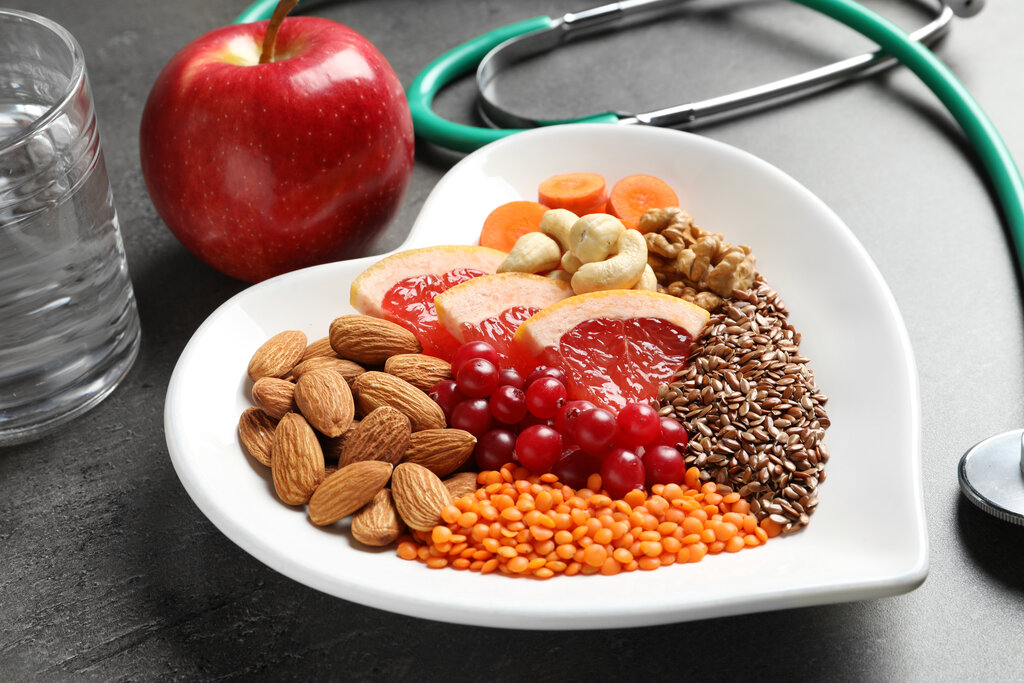
While trans fats and saturated fats can raise your bad cholesterol (LDL), heart-healthy monounsaturated and polyunsaturated fats can support a healthier cholesterol profile and overall heart health. HDL. And the best part? They’re packed into delicious, nutrient-rich foods.
To increase your HDL cholesterol naturally, make these swaps:
- Olive oil: Use it for cooking or as a salad dressing
- Avocados: A great addition to salads or smoothies
- Nuts (like almonds and walnuts): A satisfying snack
- Fatty fish (like salmon and mackerel): Excellent sources of omega-3 fatty acids
- Seeds (like chia and flaxseeds): Easy to add to meals
By replacing unhealthy fats (found in processed snacks and fried foods) with these heart-healthy fats, you can improve your cholesterol balance while also enhancing overall cardiovascular health.
3. Lose Excess Weight (If Needed)
Losing even a small amount of weight can improve your overall cholesterol levels, including HDL. Studies show that losing 5–10% of your body weight can improve cholesterol markers, including higher HDL.
The key is to approach weight loss with sustainable changes. Focus on balanced meals that include lean proteins, vegetables, and whole grains, while being mindful of portion sizes to avoid overeating.
Increasing your daily physical activity, whether by walking more or taking the stairs, can also support weight loss and improve your metabolic health.
4. Quit Smoking
Research has shown that quitting smoking can directly raise low HDL cholesterol levels and improve overall cardiovascular health.
In addition to raising HDL, quitting smoking helps lower LDL cholesterol and blood pressure, reduces the risk of heart disease, and improves circulation.
Help is available for those looking to overcome addiction. From counseling and nicotine replacement therapies to various medications, there are numerous resources at your disposal to support your journey to quitting.
5. Increase Soluble Fiber Intake
Soluble fiber binds to cholesterol and helps to clear it from your system, making it an important part of a heart-healthy diet.
Incorporating more fiber-rich foods into your meals is a simple and effective way to improve your overall cholesterol profile—especially by lowering LDL (‘bad’) cholesterol. Try adding:
- Oats
- Beans and lentils
- Apples
- Leafy greens
A couple of easy swaps can also make a big difference: consider switching from white bread to whole-grain bread or replacing sugary cereal with a hearty bowl of oatmeal.
By increasing your soluble fiber intake, you’re not just helping your cholesterol. These foods also support your digestion and help keep blood sugar levels stable, giving your heart and overall health a boost.
6. Limit Foods That Lower HDL
While it’s important to focus on what to add to your diet, it’s just as essential to be mindful of the foods that can negatively impact your overall cholesterol levels and heart health.
Certain foods, such as trans fats (often found in partially hydrogenated oils and many processed snacks), deep-fried foods, and excess refined carbohydrates (like white bread and sugary snacks) can worsen your cholesterol balance (raising LDL and triglycerides and, in some cases, lowering HDL).
That doesn’t mean you have to avoid these foods completely. Moderation is key. Read ingredient labels carefully and try healthier alternatives, like choosing baked or grilled foods instead of fried options.
Pro Tip: Cooking more meals at home allows you to control what goes into your meals, helping you avoid hidden fats and added sugars.
When to Talk to a Doctor About Your Cholesterol
If you’re wondering how to improve HDL cholesterol, it’s always a good idea to consult with a healthcare provider. A family history of heart disease, high triglyceride levels, or other risk factors may also warrant a conversation with your doctor.
At HealthyU Clinics, we recommend regular cholesterol testing to stay on top of your heart health. If you’re unsure about your cholesterol levels or would like guidance on improving them, our cardiology services can help you develop a personalized plan with support from an experienced provider.
With clinics in Arizona and Massachusetts, there is always an expert ready to help you understand how to increase HDL cholesterol levels in a manageable way.
Time to talk to a doctor about your cholesterol? Call HealthyU Clinics today or book your appointment online.
FAQs
What is a good HDL cholesterol level?
HDL level ranges vary by gender. A good HDL cholesterol level for men is 40 mg/dL or higher, and for women, it’s 50 mg/dL or higher.
HDL levels around 60 mg/dL or higher are generally associated with lower cardiovascular risk.
How long does it take to raise HDL cholesterol?
For those wondering how to raise HDL cholesterol, it’s all about making small, steady changes that you can stick with long-term. With consistent effort, you can start seeing improvements in just a few weeks to months.
What foods increase HDL the fastest?
There’s no quick fix for raising HDL, but the key is to add more healthy fats (like olive oil, avocados, and fatty fish) and fiber-rich foods (such as oats and beans) to your diet. The more consistent you are with these healthy choices, the better your HDL levels will get over time.
Can supplements raise HDL?
Some studies show that niacin (a form of vitamin B) can raise HDL levels, but it is not routinely recommended solely for this purpose because it has not been shown to reduce heart disease risk and may cause side effects. Always talk with your doctor before starting supplements.
Is raising HDL alone enough to protect your heart?
While increasing HDL is important for heart health, it’s not the whole picture. Other factors, like LDL, triglycerides, and blood pressure, also play a role. It’s best to approach heart health holistically, and talking to a healthcare provider will give you the best plan to manage all of these factors.
*Any advice or information shared on our blog, website, or other online communication forum is intended for informational purposes only and is not to be considered a substitute for any professional medical advice or other advice. HealthyU Clinics does not make any representations or warranties and expressly disclaims all liability regarding any treatment, action, or effect on any person based on the general information provided through our blog, website, or other online communication forum. For specific concerns or if you need medical advice, please contact HealthyU Clinics to schedule an appointment with a qualified medical professional.